Culture
What Is Krampus? The Alpine Folklore Behind the Christmas Demon
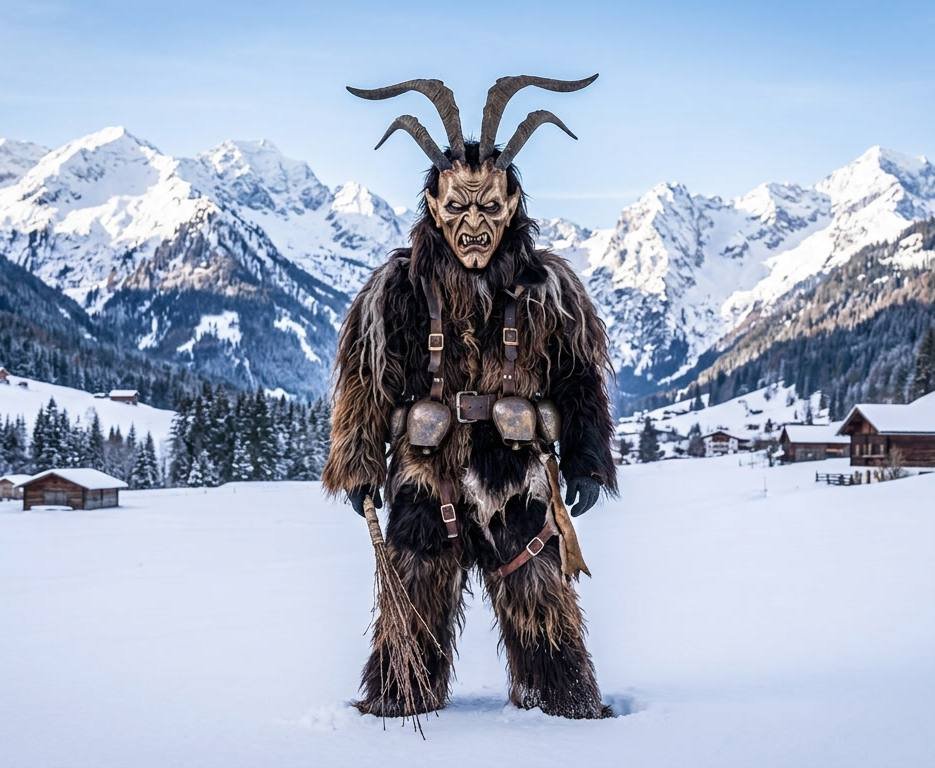
A cold street, breath hanging in the air, and then the sound: heavy bells that change the way the crowd holds itself. For anyone asking what is Krampus,…
Alpine Folklore & Living Tradition
Krampus is part of a living Alpine winter tradition shaped by Saint Nicholas customs, regional folklore, mask-making, processions, and local ritual practice.
Understanding the Context
Krampus culture is often misunderstood outside the Alpine region. The figure is commonly reduced to a dark Christmas mascot or horror costume, but the tradition is more specific than that.
This page explores Krampusnacht, Krampuslauf events, Perchten traditions, costume symbolism and the difference between Alpine custom and modern commercial interpretation.
Krampus Culture Articles
Explore detailed guides on Krampusnacht, Saint Nicholas customs, Perchten traditions, regional variations, mask-making, symbolism, and the cultural background behind Krampus processions.
Culture
A cold street, breath hanging in the air, and then the sound: heavy bells that change the way the crowd holds itself. For anyone asking what is Krampus,…
Culture
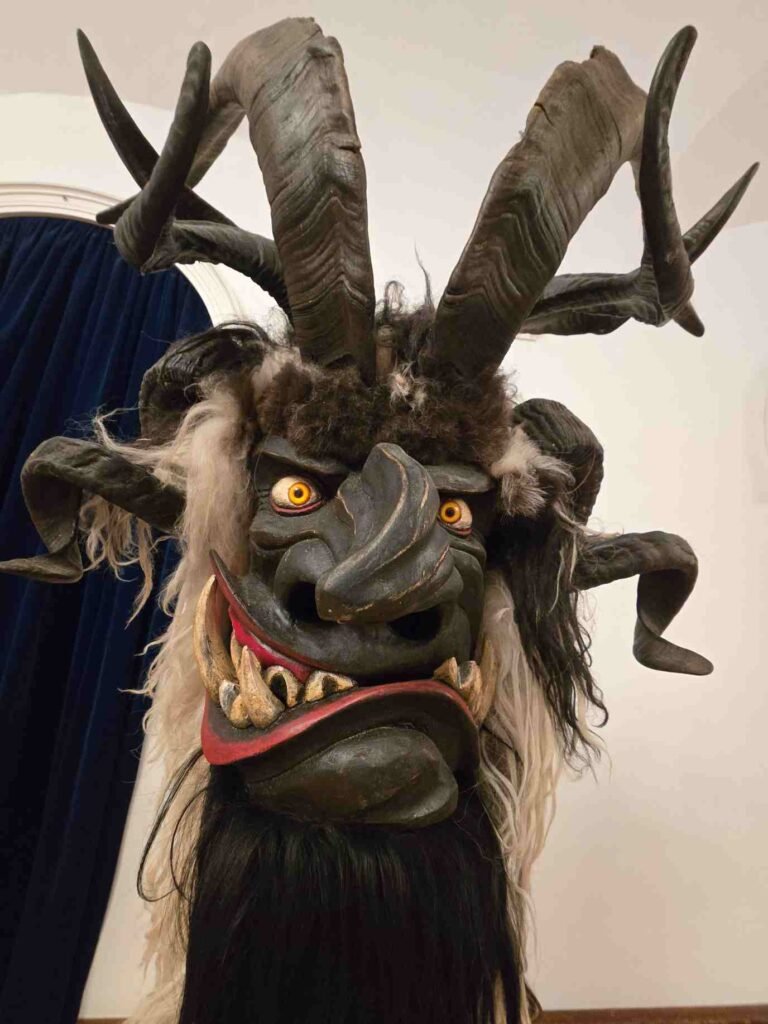
A Krampus mask is often treated as the defining object of the costume, yet its history is less straightforward than its familiar horns and carved features suggest. Krampus…
Culture
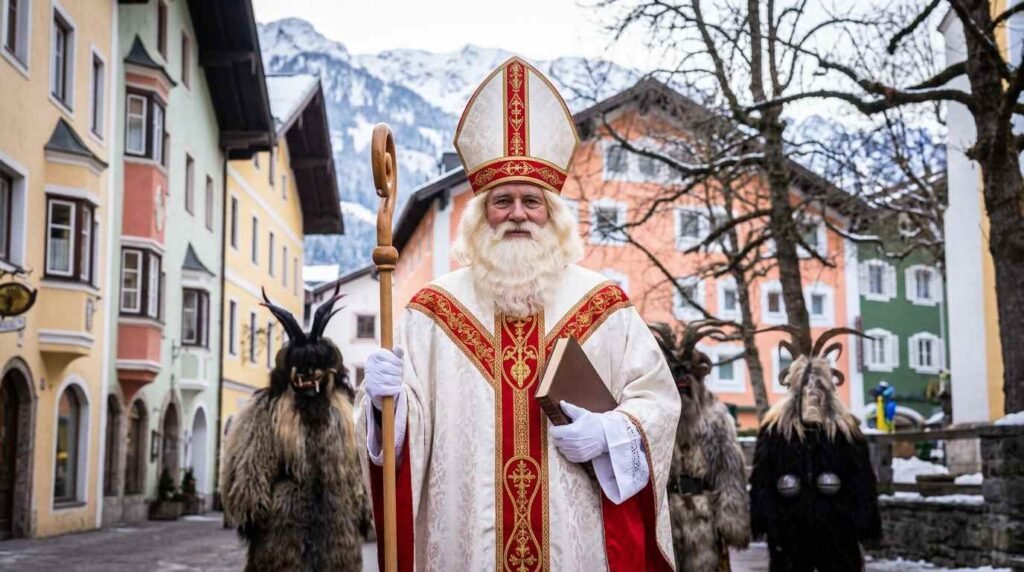
Krampus is often presented as a frightening figure in isolation, but that misses the cultural structure that gives him meaning. In many Alpine communities, Krampus and Saint Nicholas…
Culture
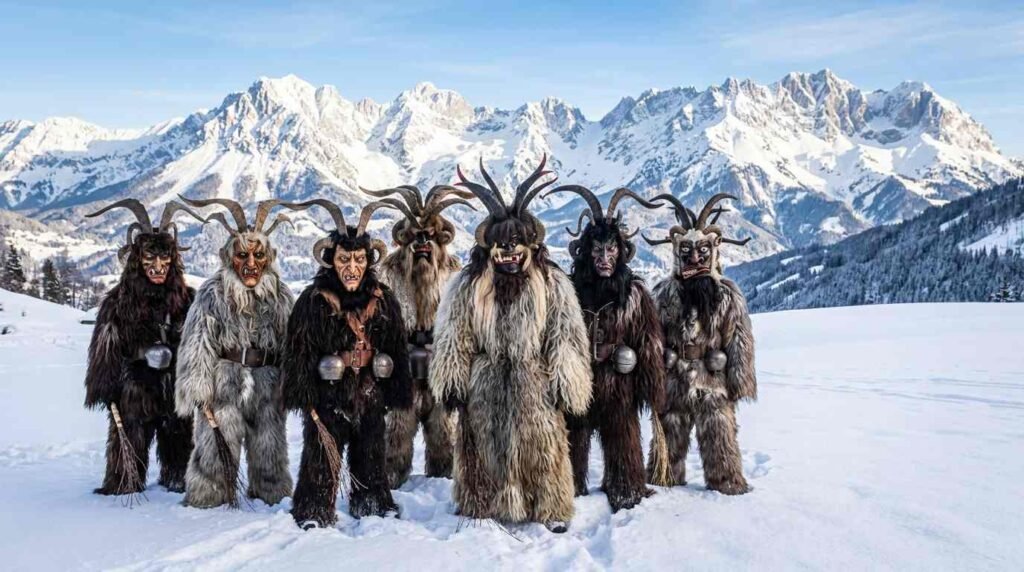
The first sign of a Krampusrun is often the vibration of heavy bells moving through the street … only then do carved masks, horns and fur emerge from…
Krampus culture is not defined by a single costume, procession or origin story. It is shaped by local customs, Saint Nicholas traditions, mask-making, community practice and regional differences across the Alpine world. Understanding those connections helps separate the living tradition from the simplified monster image that often appears in popular culture.
In many Alpine communities, Krampus appears around 5 and 6 December in connection with Saint Nicholas. The two figures have distinct roles, but they belong to the same seasonal setting. House visits, public appearances and local processions can all form part of this early-December tradition, although the exact customs differ from place to place.
This relationship is central to understanding Krampus culture.
Removing Krampus entirely from the Saint Nicholas context can make the figure look like an independent Christmas demon, when many regional traditions place him within a broader social and religious custom.
There is no universal Krampus tradition.
There is no universal Krampus tradition. Masks, horns, fur, bells, procession formats and local terminology can vary considerably between Austrian valleys, Bavaria, South Tyrol and neighbouring Alpine regions. Even communities located relatively close to one another may follow different practices.
That regional variation is an important part of Krampus culture. A costume, mask style or event format documented in one area should not automatically be presented as representative of the entire Alpine region.
Krampus and Perchten may share visual features such as carved masks, fur, horns and bells, but they belong to different customary contexts. Their traditions can overlap geographically and visually without being interchangeable.
Modern films, Halloween costumes, tourism and international events have introduced further interpretations. Some draw closely on Alpine imagery, while others transform Krampus into a broader horror character. Exploring Krampus culture therefore also means understanding where regional tradition ends and modern adaptation begins.