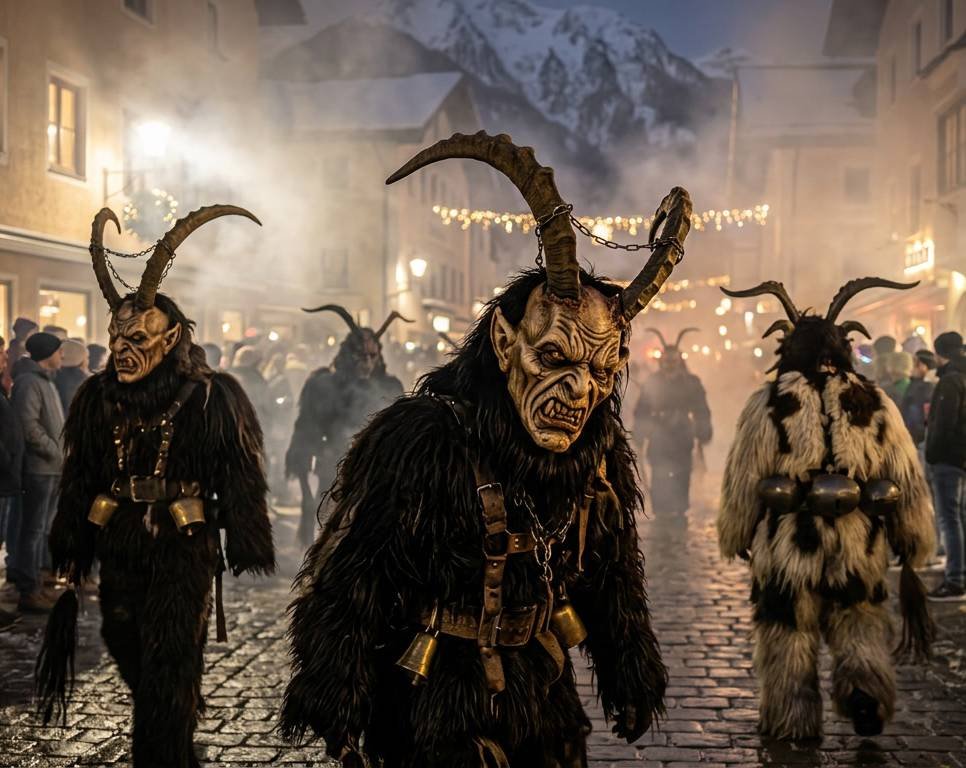
Krampusrun
Krampusrun Guide: What First‑Time Visitors Should Expect
A Krampusrun is loud before it is visible. You feel it first as a change in the air: heavy bells, a drum of footfall, the crowd shifting to…
Processions, Bells & Alpine Spectacle
A Krampusrun is the public procession form of Krampus tradition, where costumed figures move through streets with masks, fur, bells, torches, crowd interaction, and strong regional differences.
Understanding the Event
A Krampusrun can look like a dark winter parade from the outside, but in Alpine context it belongs to a broader seasonal tradition connected to Krampus and Saint Nicholas. Local groups, masks, costumes, bells, movement and crowd interaction all shape how the event feels.
Some runs are relatively traditional and locally rooted, while others have developed into larger public spectacles with modern masks, smoke, fire, staged entrances, music and tourist audiences. Understanding the format matters before comparing one event with another, especially when distinguishing local custom from modern performance. For the wider seasonal context, see our guide to Krampusnacht.
Krampusrun Articles
Use the articles below to go deeper into Krampuslauf formats, event safety, regional differences, modern performance styles, masks, crowd interaction, and what visitors should know before attending a Krampusrun.
Krampusrun
A Krampusrun is loud before it is visible. You feel it first as a change in the air: heavy bells, a drum of footfall, the crowd shifting to…
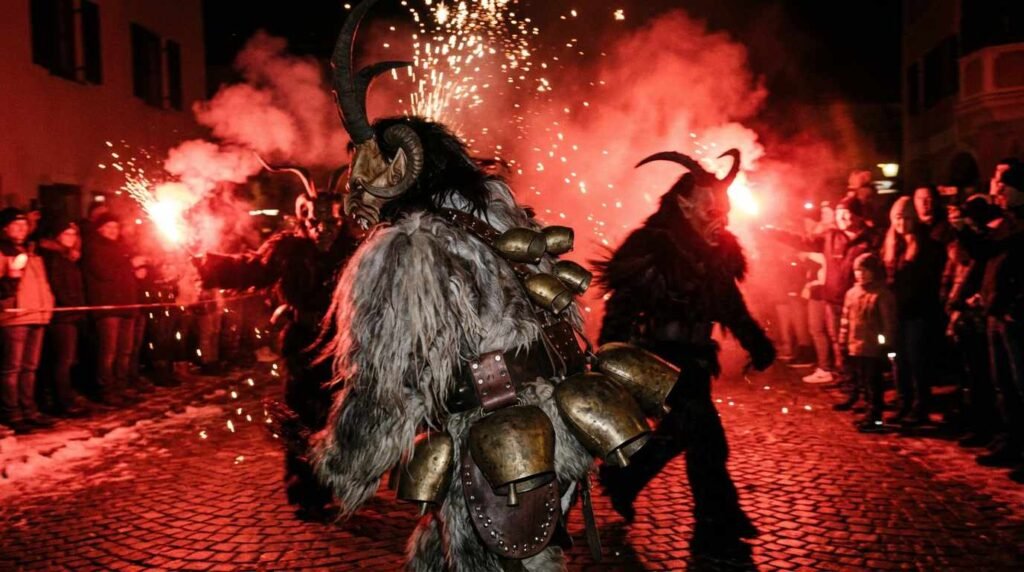
Krampusrun
The wildest Krampus events are not always the largest … some have no parade route, no barriers and no stage at all. In Gastein, more up to one…
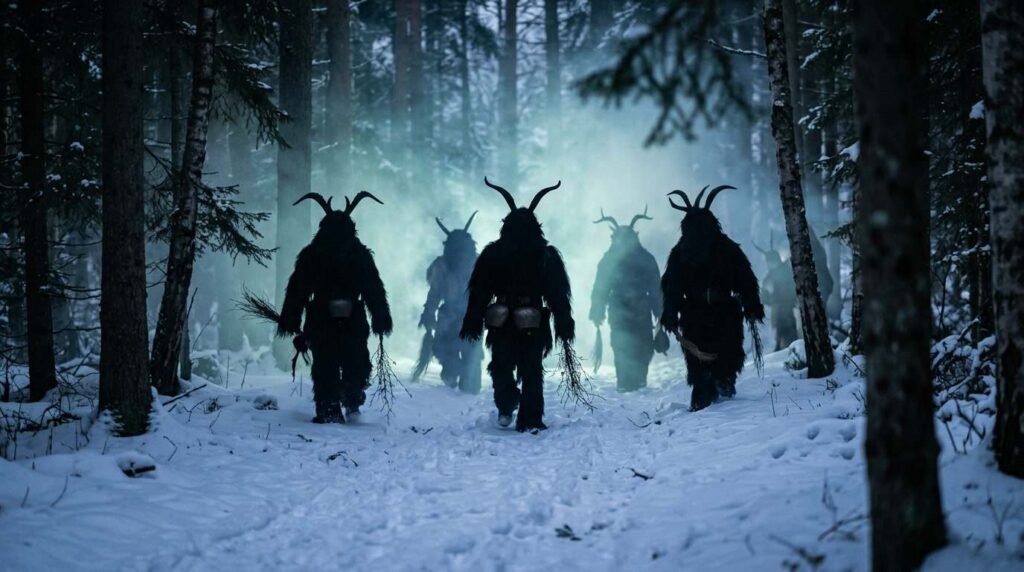
Krampusrun
A Krampusnacht is loud before it is visible. You feel it first as a change in the air: heavy bells, a pressure in the crowd, a sudden lift…
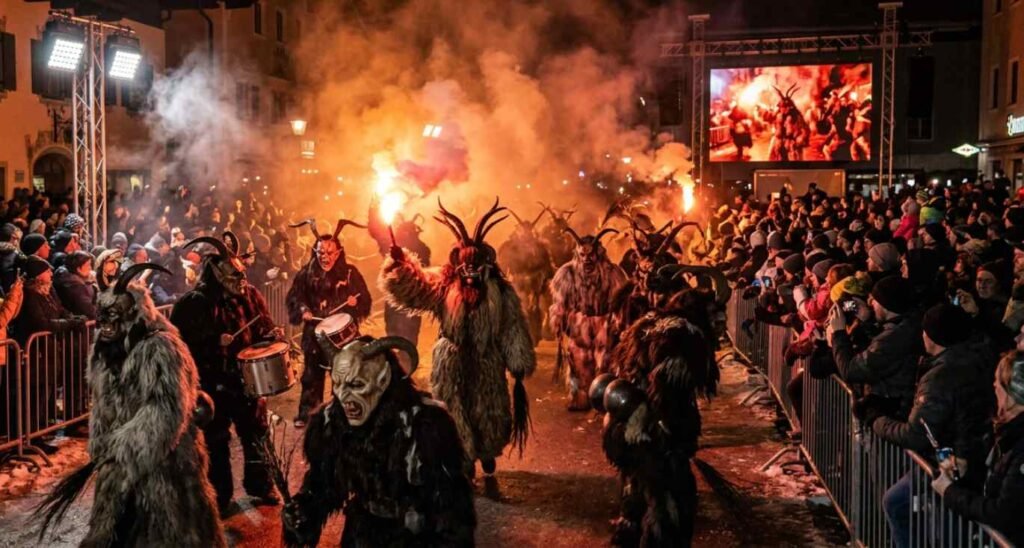
Krampusrun
Krampus Events USA range from street parades and winter markets to costume gatherings, performances and Saint Nicholas celebrations. They share inspiration from the Alpine Krampus costume tradition, but…
A Krampusrun brings masked Krampus performers into a public procession or staged event setting. What visitors experience can vary considerably: some runs remain closely connected to local Saint Nicholas customs, while others have developed into large winter spectacles with lighting, smoke, music and substantial audiences.
There is no single standardized event format. Route design, group size, masks, costumes, bells, crowd interaction and organisation differ between communities and regions. A small local run can feel very different from a major destination event attracting thousands of spectators.
The atmosphere of a Krampusrun is shaped as much by place and community as by the masks themselves.
Bells are one of the defining sensory elements of many events. Their weight affects how performers move, while groups of Krampus figures can create a distinctive rhythm as they pass through streets or event areas. Many performers appear as part of a local Pass rather than as isolated individuals.
Modern events can combine regional tradition with contemporary performance. Torches, smoke effects, elaborate masks, staged entrances and music may form part of larger public spectacles, but these features should not automatically be treated as universal Krampus customs.
Anyone attending a Krampusrun for the first time should understand that crowd interaction, event layout and performer behaviour vary. Local organisers determine routes, barriers, safety measures and the degree of interaction between performers and spectators. Checking the specific event rather than relying on a generic idea of the tradition is therefore important.